Tell SurgiDash about your operation. SurgiDash will tell you about your practice.
Create your op notes with ease — each one adds to your data, building insight into your own numbers and patterns.
Early access is by request. Your patient data stays local — nothing is required to see how it works.


A convenient way to document — that also captures the data.
Sensible, pre-filled but fully customisable answers. The same interaction that produces your note is what builds your dataset.
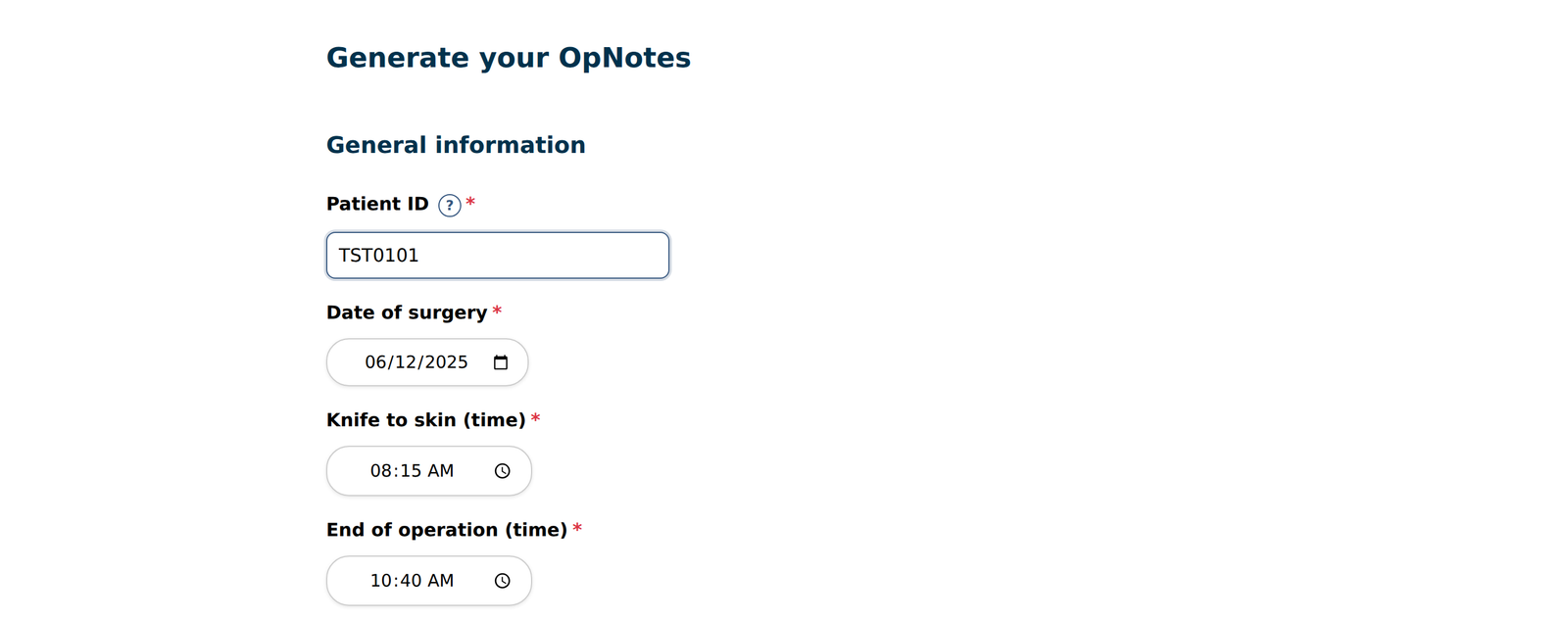
Procedure: Laparoscopic anterior resection with primary stapled anastomosis and defunctioning loop ileostomy.
Pneumoperitoneum established via Hasson technique. Standard port placement. Medial-to-lateral mobilisation of the sigmoid and descending colon with high ligation of the IMA, preserving the left colic artery. Splenic flexure mobilised for a tension-free anastomosis...
Anastomosis: Circular stapled, end-to-end, air leak test negative.
Drains: Pelvic drain sited.
Stoma: Loop ileostomy fashioned in the right iliac fossa.
Same information, two outputs — the note for the record, and the row of data behind it.
A polished view of your own practice.
Case volume and mix, approach, duration, conversion, anastomotic technique, stapler use, drains — the picture gets richer as cases accumulate, without any separate data collection.
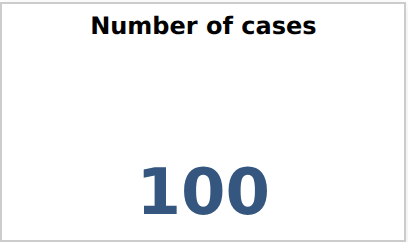
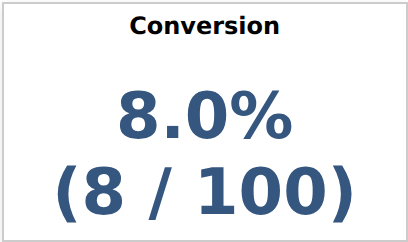
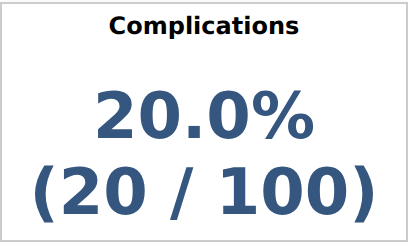
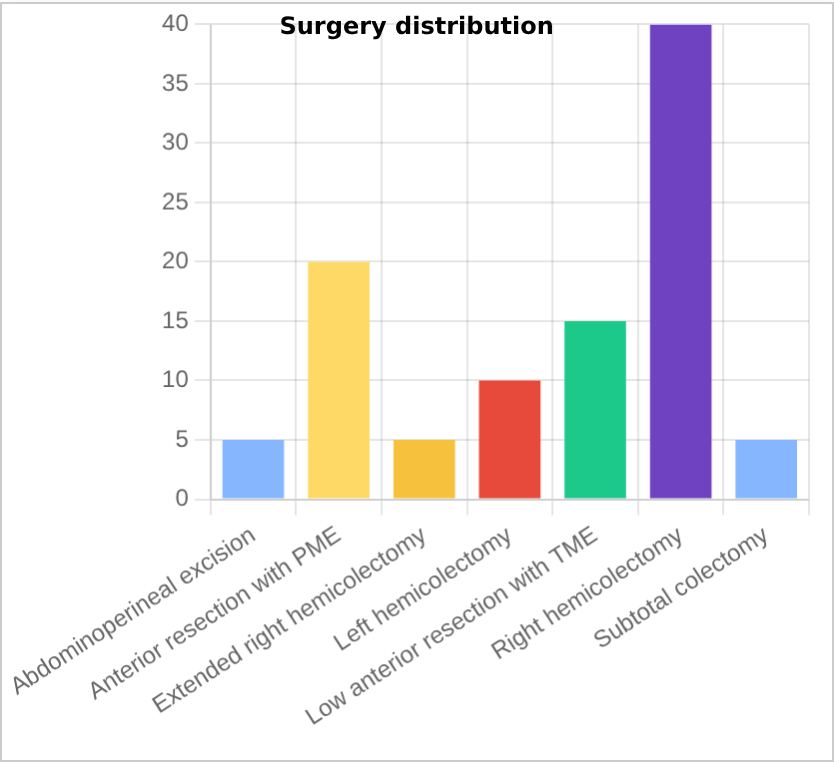
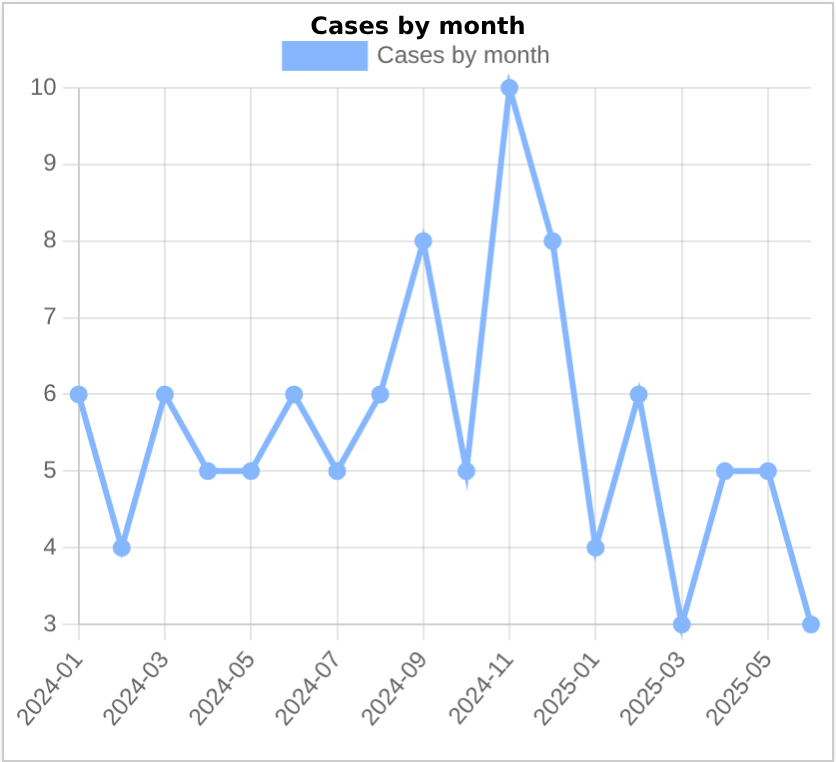
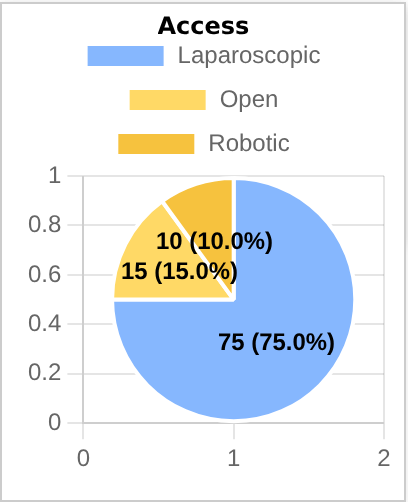
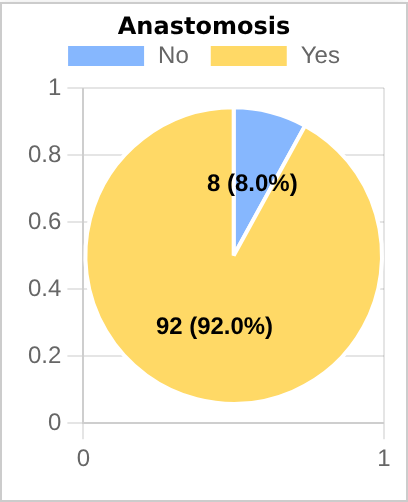
Every case you document adds one more row — no separate database, no duplicate entry.
Two minutes on why SurgiDash exists.
Surgeons want their own numbers. Routine work usually gets in the way of collecting them. Here's how one workflow solves both.
One dataset. A growing framework for deeper analysis.
Every case already contributes structured operative data. The same framework extends naturally to demographics, pathology, recovery and long-term outcomes — building toward a fuller picture of your practice over time.
Operative data
Captured automatically from every op note you create — no setup, no extra work.
Demographics & pathology
Staging, histology and patient factors extend each case for deeper analysis.
Recovery & 30-day outcomes
Complications and early recovery milestones build in as follow-up happens.
Long-term & survival
Oncological follow-up completes the picture for audit, research and reflection on your own results.
Local-first, by design.
SurgiDash is built to keep patient-level information where it belongs — in your own local or protected hospital environment, under your control.
Stays local
Patient-level data remains on your device or within your hospital's protected environment.
You hold the file
Your case database is yours — not hosted on our servers, not pooled with anyone else's.
You decide what's shared
Nothing leaves your environment unless you choose to export or share it.
Built for you. Ready for your colleagues, too.
SurgiDash is primarily your own professional tool — but it also supports colleagues and departmental use, when that's useful.
For you
Your own cases, your own op notes, your own Practice Analytics — private by default, useful from the first case you log.
For your department
Colleagues can use SurgiDash the same way — each building their own op notes and their own Practice Analytics, side by side.
Get early access to SurgiDash.
Distribution is controlled while SurgiDash is early. Request access and we'll be in touch.
Please don't include any patient information. We use your address only to reply and to let you know about access.